
Separate Traffic Types
Evaluate truck routes, loading zones and service lanes separately from customer parking. Match base repairs and asphalt thickness to expected loads instead of applying the same treatment across an entire lot.
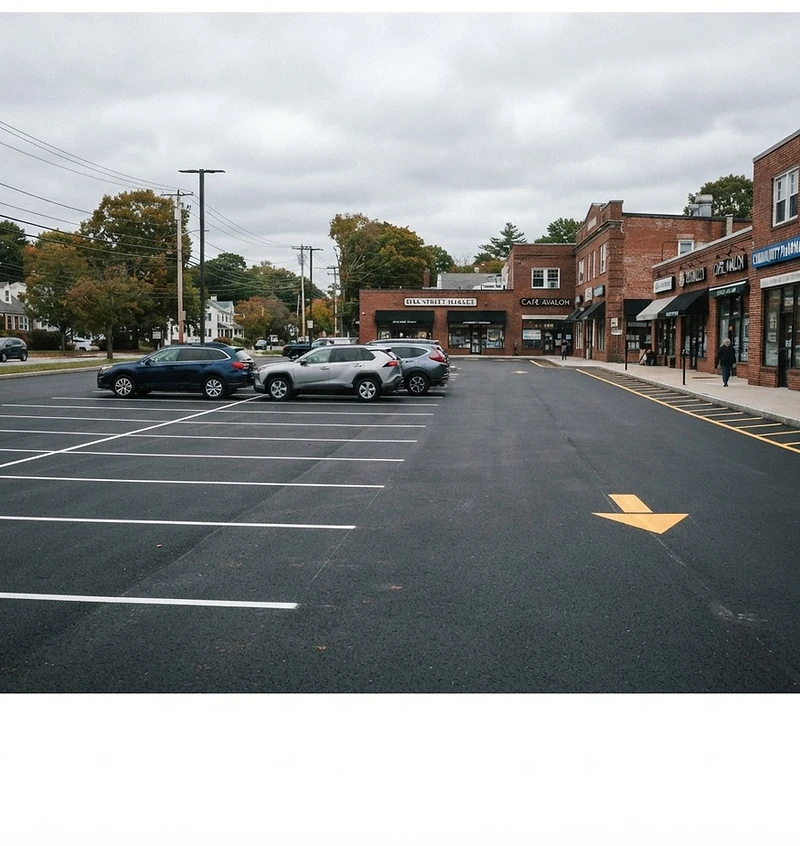
Full-service asphalt care for Indianapolis commercial property owners and managers. Coordinate paving, repairs, crack filling and striping with a long-term maintenance partner backed by 25+ years of industry experience.
Build a pavement plan around your Indianapolis property's drainage, support layers and daily traffic. From targeted hot-mix repairs to milling and resurfacing, address underlying deterioration before protective coatings and fresh markings, with a clear written scope and practical work sequencing.
Evaluate base strength, drainage and vehicle loads before resurfacing. Mill to preserve curb and entrance elevations, repair weakened support layers and compact hot-mix asphalt for customer parking, service lanes and commercial traffic.
Service Details 02Clean serviceable asphalt, complete repairs and fill suitable cracks before applying commercial-grade sealcoat with strengthening additives. Plan around a four-year cycle, adjusted for pavement condition and traffic, with dry-weather installation and curing windows.
Service Details 03Remove failed pavement and unstable material, restore base support, tack edges and compact DOT-approved hot mix in lifts. Properly prepared repairs are designed to last at least 10 years, depending on site conditions, drainage and traffic.
Service Details 04Route suitable cracks, remove dust and debris with compressed air and dry the crack walls. Install rubberized hot pour sealant at approximately 400°F according to product specifications to limit water entry before freeze-thaw cycles worsen deterioration.
Service Details 05Measure stalls, accessible spaces, access aisles and pedestrian crossings before applying traffic-grade markings to clean, dry pavement. Review applicable ADA and fire-lane requirements. Allow approximately two hours for drying, subject to weather and product specifications.
Service DetailsShopping centers, office parks, warehouses, medical buildings, apartment communities, dealerships, hotels and churches need safe access and predictable maintenance budgets. Coordinate repairs, sealcoating and striping in one plan.
Maintenance PlansRetail centers, office parks, medical campuses and distribution properties each place different demands on asphalt. Blacktop Joe builds written scopes around drainage, support layers, vehicle loads and your operating schedule.
Evaluate truck routes, loading zones and service lanes separately from customer parking. Match base repairs and asphalt thickness to expected loads instead of applying the same treatment across an entire lot.
Freeze-thaw conditions can worsen damage where water enters pavement. Prioritize structural repairs and suitable crack filling, and schedule coatings and markings around dry weather and manufacturer temperature requirements.
Discuss tenant arrivals, appointments, shift changes and deliveries before setting closures. Where practical, phase work and identify temporary parking and accessible pedestrian routes with adequate curing time.
Discuss commercial projects in Indianapolis, Carmel, Fishers, Noblesville, Greenwood, Plainfield, Avon and nearby central Indiana communities. Provide your property address to confirm project availability, logistics and scheduling.
Indianapolis sits at the center of one of the country's densest freight corridors, so a large share of local pavement carries trucks rather than cars. That changes repair depth, maintenance intervals and how long a sealcoat actually holds.
Urban and event-adjacent properties where loading zones and overnight work govern scheduling.
Large retail centers where work is phased to protect anchor tenant access.
Distribution hubs where trailer traffic concentrates loading on small pavement sections.
Office and suburban retail properties where weekday parking limits usable work hours.
Light industrial sites with heavy axle loads and recurring failure at entrances.
Freeze-thaw cycles and winter salt use open cracks and roughen surfaces across central Indiana, with the most visible damage showing up during the spring thaw. Crack filling and drainage corrections are best completed before winter. Sealcoating and striping need dry pavement and manufacturer temperatures, generally spring through early fall.
Bring the property address and any photos of damaged pavement. A site evaluation identifies base condition, drainage and traffic loads so the written scope covers repairs before protective work.
Same crews, same written scope and the same maintenance planning across the region.
Commercial lots across the Indianapolis service area share the same priorities: safe access, clear markings and pavement that holds up to weather and daily traffic.
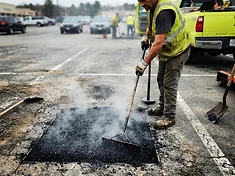
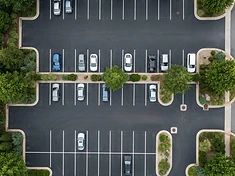
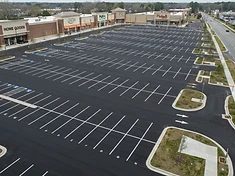
A written quote depends on square footage, asphalt thickness, milling, base repairs, drainage and site access. Distribution properties and large surface lots may need phased scheduling. Request a free site evaluation for a property-specific estimate.
Isolated failures may suit hot-mix patching, while worn asphalt over a sound base may be a candidate for milling and resurfacing. Recurring potholes, widespread structural cracking or drainage problems require a closer assessment before choosing a repair method.
Water entering cracks and weak support layers can freeze and expand, contributing to pavement deterioration. Salt and plowing also place stress on the surface. Inspect cracks, ponding and recurring failures before winter and reassess after cold weather.
Where the layout permits, divide work into sections to maintain selected entrances, parking and delivery access. Discuss shift changes, loading windows and accessible routes in advance. Each section still needs appropriate traffic control and curing time.
Discuss commercial projects in Indianapolis, Carmel, Fishers, Noblesville, Greenwood, Plainfield, Avon and nearby central Indiana communities. Send the property address to confirm availability, access requirements and scheduling.
Yes. Complete structural repairs and suitable crack filling first, then sealcoat serviceable asphalt and apply striping after adequate curing. A coordinated written scope helps property managers plan tenant notices, traffic control and reopening.
Send your property address, pavement concerns and preferred timeline. Request a free site evaluation and a written quote for paving, repairs or ongoing maintenance.


