
Address Water Before Wear
Inspect low spots, drain transitions and recurring potholes before selecting a coating or overlay. Sealing a surface cannot correct a weak base or eliminate ponding; the repair scope should address those conditions first.
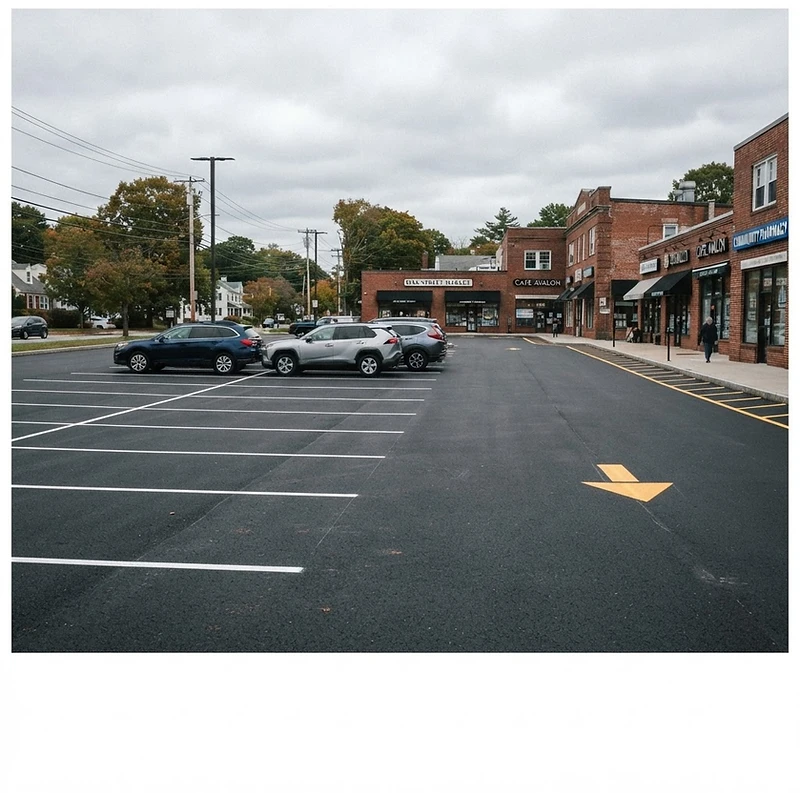
Full-service commercial asphalt care for Nashville property owners and managers. Coordinate milling and paving, pothole repairs, crack filling and striping with one long-term maintenance partner backed by 25+ years of industry experience.
Choose the right treatment for your pavement, not a one-size-fits-all resurfacing package. We evaluate distressed areas, water entry, traffic patterns and access needs, then define preparation, materials and sequencing in a property-specific written scope.
Restore worn commercial asphalt after evaluating base strength, drainage and traffic loads. Milling preserves curb and entrance elevations; base repairs and compacted hot-mix asphalt address the underlying pavement needs.
Service Details 02Protect serviceable asphalt with commercial-grade sealcoat and strengthening additives. Repair damaged areas and fill cracks first. Plan around a four-year cycle, with installation and curing scheduled for suitable dry weather.
Service Details 03Remove failed pavement, rebuild weakened support, tack edges and compact DOT-approved hot mix flush with surrounding asphalt. Properly prepared repairs are designed to last at least 10 years, depending on site conditions and traffic.
Service Details 04Route suitable cracks, remove debris with compressed air and dry the crack walls before installing rubberized hot pour sealant at approximately 400°F, following product specifications. Limit water entry before seasonal temperature changes worsen damage.
Service Details 05Measure stalls, accessible spaces and access aisles before applying traffic-grade markings to clean, dry pavement. Coordinate arrows, crosswalks and fire lanes with applicable requirements. Allow approximately two hours for drying, subject to weather and product specifications.
Service DetailsShopping centers, office parks, warehouses, medical buildings, apartment communities, dealerships, hotels and churches need safe access and predictable maintenance budgets. Coordinate repairs, sealcoating and striping in one plan.
Maintenance PlansRetail centers, hotels, medical offices, apartment communities, churches and industrial properties each put different demands on asphalt. In Nashville, pavement planning needs to account for rainfall, summer heat and winter freeze-thaw exposure, alongside customer parking and delivery traffic.
Inspect low spots, drain transitions and recurring potholes before selecting a coating or overlay. Sealing a surface cannot correct a weak base or eliminate ponding; the repair scope should address those conditions first.
Discuss hotel arrivals, retail peak hours, loading docks and resident access before scheduling. Where practical, phase the work and define safe pedestrian routes, closure notices and reopening criteria.
Separate immediate safety repairs from preventative care and future resurfacing. Annual inspections and a condition-based maintenance plan help Nashville property managers prioritize spending across one lot or several locations.
Discuss projects in Nashville and Davidson County, as well as Brentwood, Franklin, Hendersonville, Mount Juliet, Smyrna and Murfreesboro. Share your property address so we can confirm availability and access requirements for your project.
Nashville combines rapid construction, dense tourism traffic and Middle Tennessee freeze-thaw cycles. A downtown hospitality lot and an Antioch distribution yard need different repair depths, different markings and different work windows, so the scope starts with how the property is actually used.
Compact urban lots and hospitality properties where loading zones, pedestrian routes and overnight work govern scheduling.
High-turnover tourism parking where entrance aprons and drive aisles take concentrated turning and bus traffic.
Warehouse and distribution sites with heavy trailer traffic that concentrates loading on small sections of pavement.
Retail and light commercial properties with limited staging and steady daily parking demand.
Suburban office, medical and retail centers with larger lots suited to phased closures.
Water entering cracks and freezing is a leading cause of pavement decline in Middle Tennessee. Crack filling and drainage corrections are best completed before the first hard freeze, with a follow-up assessment in spring once the ground has moved. Sealcoating and striping need pavement and air temperatures that meet the manufacturer's requirements, which generally means spring through early fall.
Bring the property address and any photos of damaged pavement. A site evaluation identifies base condition, drainage and traffic loads so the written scope covers repairs before protective work.
Same crews, same written scope and the same maintenance planning across the region.
Commercial lots across the Nashville service area share the same priorities: safe access, clear markings and pavement that holds up to weather and daily traffic.
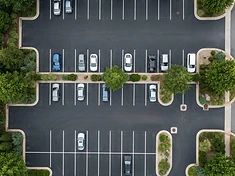
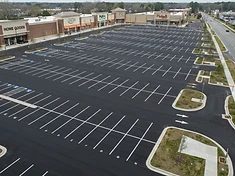
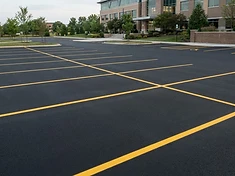
A written estimate depends on square footage, asphalt thickness, base repairs, drainage, milling requirements and site access. Send your Nashville property address and pavement concerns for a free site evaluation and a scope tailored to the lot rather than a generic per-square-foot price.
Isolated failures may need hot-mix patching, while a worn surface over a sound base may suit milling and overlay. Widespread structural cracking, recurring potholes or drainage problems require a closer assessment of the base before choosing resurfacing or replacement.
Where the layout permits, work can be divided into sections to maintain selected entrances, pedestrian routes and delivery access. The written plan should identify closures and curing periods before work begins; some areas may still need temporary full closure.
Choose a dry weather window with air and pavement temperatures that meet the sealcoat manufacturer's requirements. Rain, humidity and overnight temperatures affect curing. A four-year sealcoating cycle is a planning baseline, adjusted to pavement condition and traffic.
Project planning covers Nashville and surrounding Middle Tennessee communities including Brentwood, Franklin, Hendersonville, Mount Juliet, Smyrna and Murfreesboro. Share the property address to confirm availability, scheduling and project logistics.
Yes. Structural repairs and suitable crack filling come before sealcoating, followed by striping after adequate curing. Coordinating the sequence helps property managers plan tenant notices, traffic control and reopening around one maintenance scope.
Send your property address, pavement concerns and preferred timeline. Request a free site evaluation and a written scope for repairs, paving or ongoing maintenance.


